DESIGNING AT FORTUNE 100 TECH, 2024-2025

Consumable AI-powered business analytics

I worked with cross-functional teams to build a 0 → 1 product. The following case study captures select Design systems work for watsonx BI.

ABOUT

Watsonx BI simplifies BI by enabling business users to interact with complex data systems using intuitive natural language.

Watsonx BI features, such as semantic automation and reasoning, enables users to identify patterns, uncover relationships and interpret business significance.

Watsonx BI features, such as semantic automation and reasoning, enables users to identify patterns, uncover relationships and interpret business significance.

Watsonx BI features, such as semantic automation and reasoning, enables users to identify patterns, uncover relationships and interpret business significance.

USE CASE

Semantic models are powerful tools for business analysts but development requires significant time and effort.

The transformation of semantic models from raw data to usable information requires significant time and effort.

The transformation of semantic models from raw data to usable information requires significant time and effort.

The transformation of semantic models from raw data to usable information requires significant time and effort.

Initial design complexity, modelling errors, and scaling are among the many factors business analysts must consider.

SAMPLE UI PATTERNS

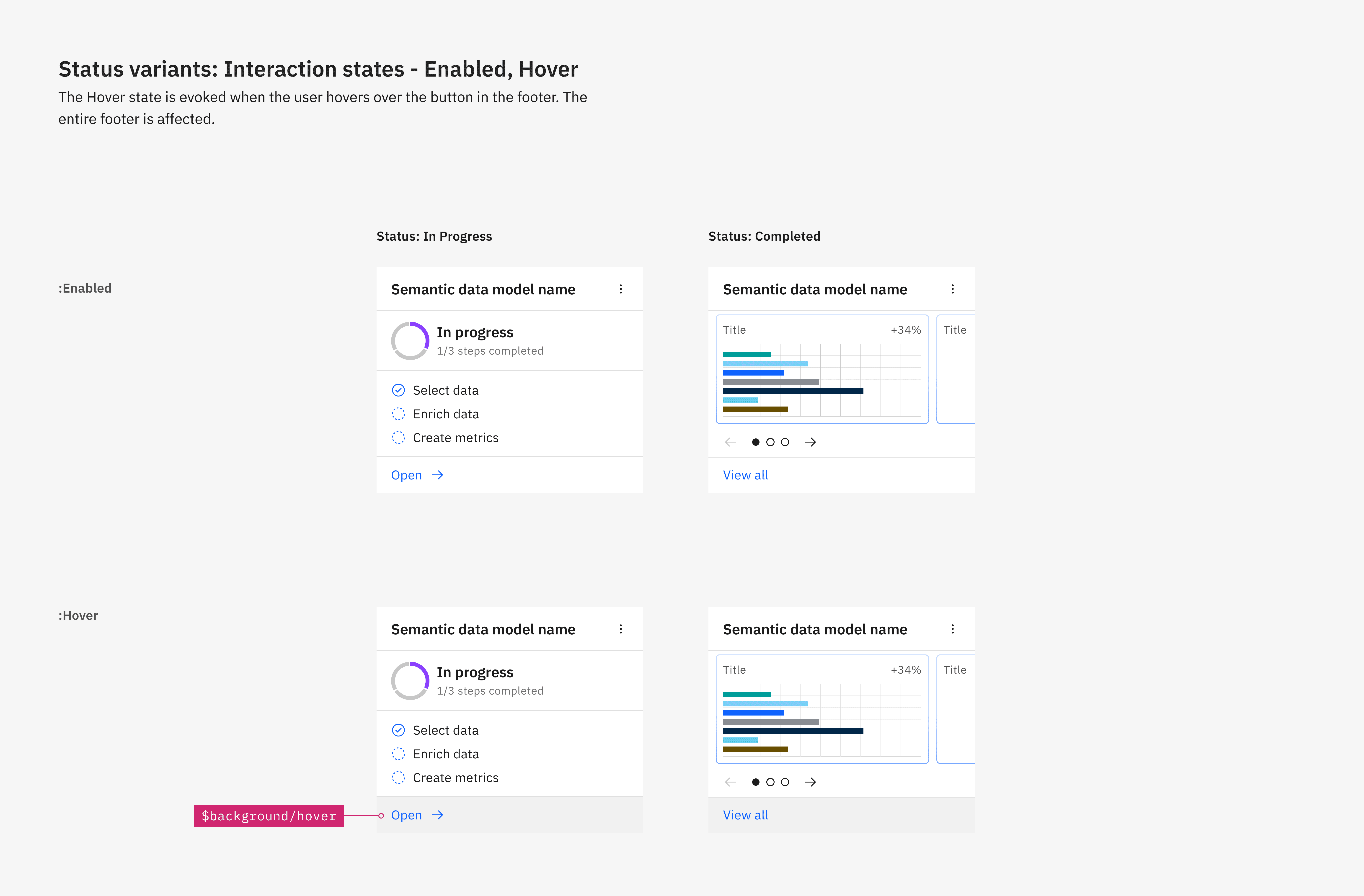
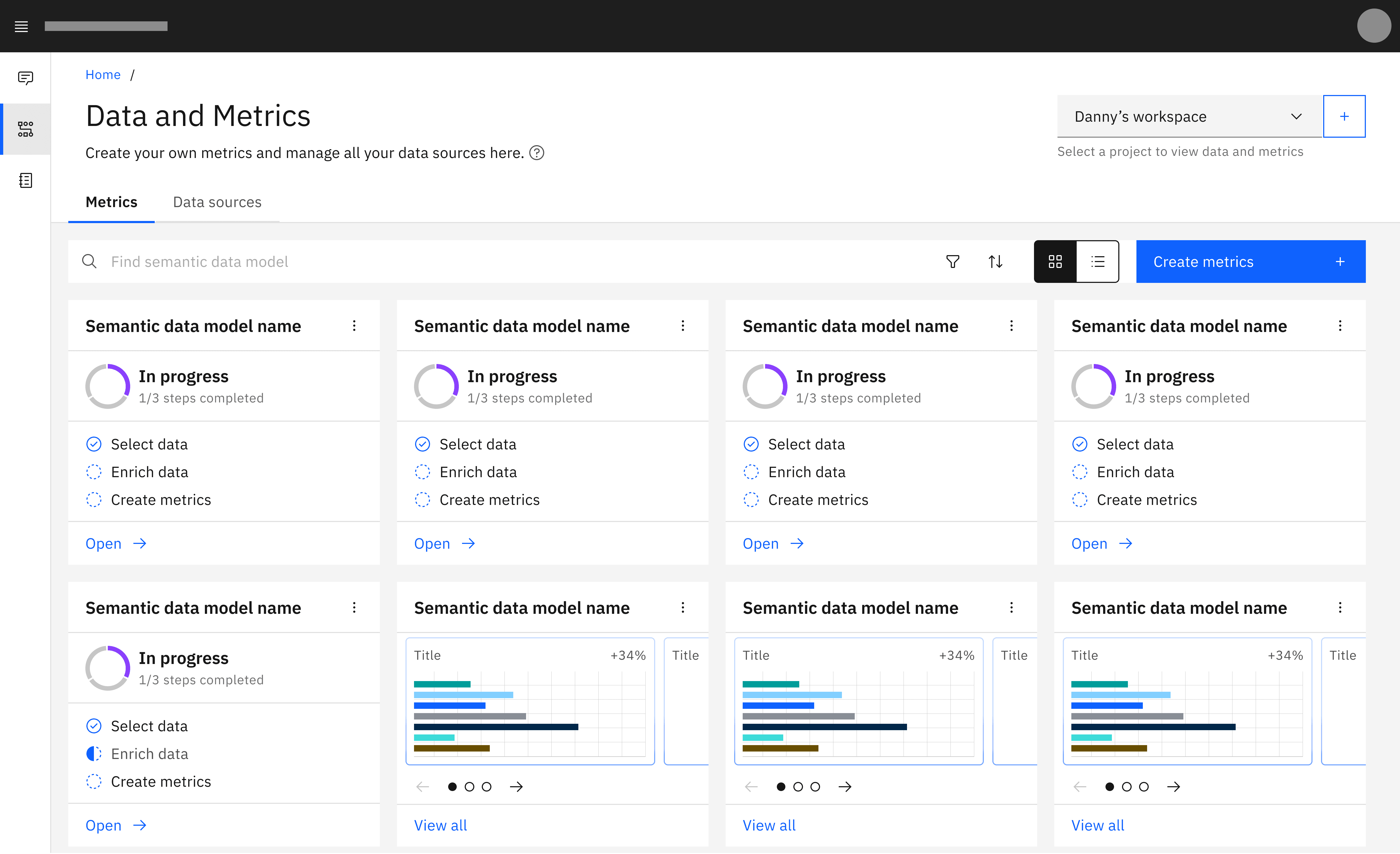
I codified design patterns such as Semantic model cards.

Users may create multiple semantic models simultaneously. Moreover, models will differ in time to completion. The design of the Semantic model card emphasizes the visual progression of incomplete, in progress models.

Eager to monetize (See my Fuel Rewards case study), Super.com launched a mobile phone plan in partnership with Gigslabel. The phone plan performed modestly in its early stages as the only promotion channel was the mobile application.

Create a free website with Framer, the website builder loved by startups, designers and agencies.